DIY Logo Elements: Minimalist Floral Designs for Creative Projects
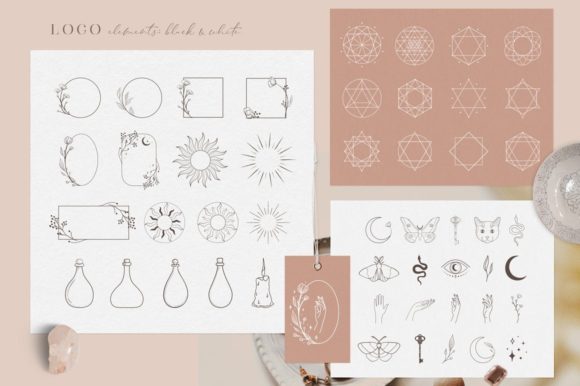
DIY has become a powerful way for individuals and businesses to express creativity, save money, and stand out in a crowded market. Whether you're designing a logo, creating t-shirt art, or decorating posters, having the right tools can make all the difference. One of the most versatile and visually appealing DIY elements is a minimalist floral design—hand-drawn, transparent, and easy to use. These designs are perfect for beginners and professionals alike, offering a unique blend of simplicity and elegance.
Minimalist floral elements bring a sense of nature into modern design. They are ideal for branding, crafts, and digital projects because they’re clean, adaptable, and easy to integrate. When choosing these elements, it's important to understand what makes them effective and how to avoid common pitfalls that could affect your final outcome.
Why Choose Minimalist Floral Elements for Your DIY Projects?
Minimalist floral designs are more than just decorative—they serve as visual anchors that can elevate your brand or project. Their simple lines and organic shapes make them versatile enough to work on t-shirts, web designs, posters, and even logos. Unlike complex illustrations, minimalist elements don't overwhelm the viewer, making them perfect for maintaining clarity and focus in your design.
For those new to DIY, these elements are an excellent starting point. They require little technical skill to use and can be easily customized with tools like Adobe Illustrator or even free online editors. This accessibility means you can experiment without worrying about high costs or complicated processes.
Common Mistakes When Using DIY Floral Elements
While minimalist floral designs are user-friendly, there are several mistakes people often make when using them. These errors can impact the quality of your work, the professionalism of your design, and even the overall aesthetic of your project.
Mistake 1: Ignoring File Format Requirements
Many DIY kits offer PNG files, but not all include the necessary formats for different uses. For example, if you plan to print your design on a t-shirt, you need a high-resolution PNG file (300 DPI) in RGB color mode. If you choose a low-quality image or the wrong format, the final product may look blurry or unprofessional.
Better Approach: Always check that the DIY kit includes at least five transparent PNG files and one editable EPS file. This combination ensures flexibility and quality across various platforms and mediums.
Mistake 2: Overlooking Design Scalability
A common issue with DIY floral elements is that they may not scale well. If you're planning to use the design on large posters or small icons, you need to ensure the elements remain clear and recognizable at any size. A poorly designed vector might lose detail when scaled up, resulting in a loss of quality.
Better Approach: Look for sets that provide scalable vector formats like EPS. These files maintain crisp edges and clarity regardless of the size, making them ideal for both digital and print applications.
Mistake 3: Not Considering Color Compatibility
Even though minimalist designs are usually black and white, they can be adapted to fit any color scheme. However, some DIY kits may not allow for easy color customization. If the elements are only available in a limited palette, you may find it difficult to match them with your brand colors or project theme.
Better Approach: Choose a set that offers editable vector files. This allows you to change colors, add gradients, or modify the design entirely to suit your needs without compromising quality.
What to Check Before Purchasing a DIY Floral Kit
Before investing in a DIY floral element set, take time to evaluate what you really need. Consider the following factors to ensure you're getting the best value for your money and the right tools for your projects.
- File Formats: Ensure the package includes at least five PNG files and one EPS file for editing. Avoid sets that only offer low-resolution JPEGs or other non-editable formats.
- Resolution: Confirm that the PNG files are at least 300 DPI. Lower resolution images won’t look good when printed or used on high-resolution screens.
- Color Mode: Make sure the files are in RGB mode for digital use and CMYK for print. Some kits may not specify this, so double-check before purchasing.
- Design Versatility: Look for sets that offer a variety of elements such as leaves, flowers, food items, and plants. This gives you more creative freedom and helps you create unique designs without repeating the same motifs.
- User-Friendliness: If you're a beginner, opt for kits that come with tutorials or guides on how to use the elements effectively. This can help you avoid common mistakes and get the most out of your purchase.
How to Use DIY Floral Elements in Different Projects
Once you have the right set of DIY floral elements, you can use them in a wide range of creative projects. Here are a few ideas to get you started:
1. T-Shirt Printing: Add a touch of nature to your clothing line by printing minimalist floral designs on t-shirts. The transparency of the PNG files makes it easy to layer them over different colors or patterns.
2. Web Design: Use these elements to enhance your website’s visual appeal. Place them in headers, sidebars, or as background accents to create a cohesive and stylish look.
3. Poster Design: Incorporate floral elements into your posters to give them a natural, elegant feel. Combine them with text and other graphics to create eye-catching visuals.
4. Logo Creation: A minimalist floral logo can help your brand stand out. Use the editable EPS file to customize the design and ensure it looks professional on all platforms.
5. Beauty Salons and More: These elements are also great for beauty salons, cafes, and other businesses looking to create a calming and inviting atmosphere.
Final Tips for Success with DIY Floral Elements
Using DIY floral elements is a rewarding way to add personal flair to your projects. To ensure success, always start with high-quality, scalable files and consider how each element will look in different contexts. Don’t be afraid to experiment with color, layout, and placement to find what works best for your vision.
Remember, the key to effective DIY design is balance. Keep your elements simple, yet meaningful. With the right tools and a bit of creativity, you can transform ordinary projects into extraordinary ones that reflect your unique style and personality.